
Visitors and locals alike are being urged to learn about Weymouth’s fascinating history – and its many parallels with upmarket Bath, by going on a newly expanded heritage trail.
We Are Weymouth – the town’s business improvement district (BID) says while hundreds of thousands of people visit for the beach, the harbour and all the kiss-me-quick traditional attractions, most do not realise how much has gone on there.
The BID is growing its heritage trail every year. This year they unveiled the Greenhill plaque, commemorating the 12 local men executed following the Monmouth Rebellion and the infamous Bloody Assizes of 1685.
Walk the heritage trail and you uncover a town that has witnessed the arrival of the Black Death, welcomed royalty, prepared for D-Day, endured conflict, fostered trade and inspired artists. Every plaque and paving stone installed by the BID reveals another layer of Weymouth’s story, spanning a millennium and more.
Visitors will soon realise they don’t have to board a Great Western train to enjoy Georgian refinement, says Dawn Rondeau of the BID.
She said: “While Bath has successfully built an international reputation around its Georgian identity, Weymouth has often overlooked a truth hiding in plain sight: the two towns are intrinsically linked. They share influential families, royal patronage, architectural heritage and key figures who helped shape Georgian Britain.
“If Bath is celebrated as England’s Georgian city, then Weymouth surely deserves recognition as England’s Georgian seaside.”
In the mid-18th century Ralph Allen, the famous Bath entrepreneur, arrived in Weymouth seeking the health benefits of sea bathing for his wife. Allen’s influence in Bath was immense, helping define the city’s distinctive Georgian character through the use of Bath stone and ambitious development projects.
His enthusiasm for Weymouth helped draw the attention of fashionable society to Dorset’s coastline. Then came the royal endorsement that would change everything.
When George III visited his brother, the Duke of Gloucester, in Weymouth in 1789, he fell in love with it. The King’s regular visits for sea bathing over 16 years turned a modest port into one of Britain’s top seaside destinations.
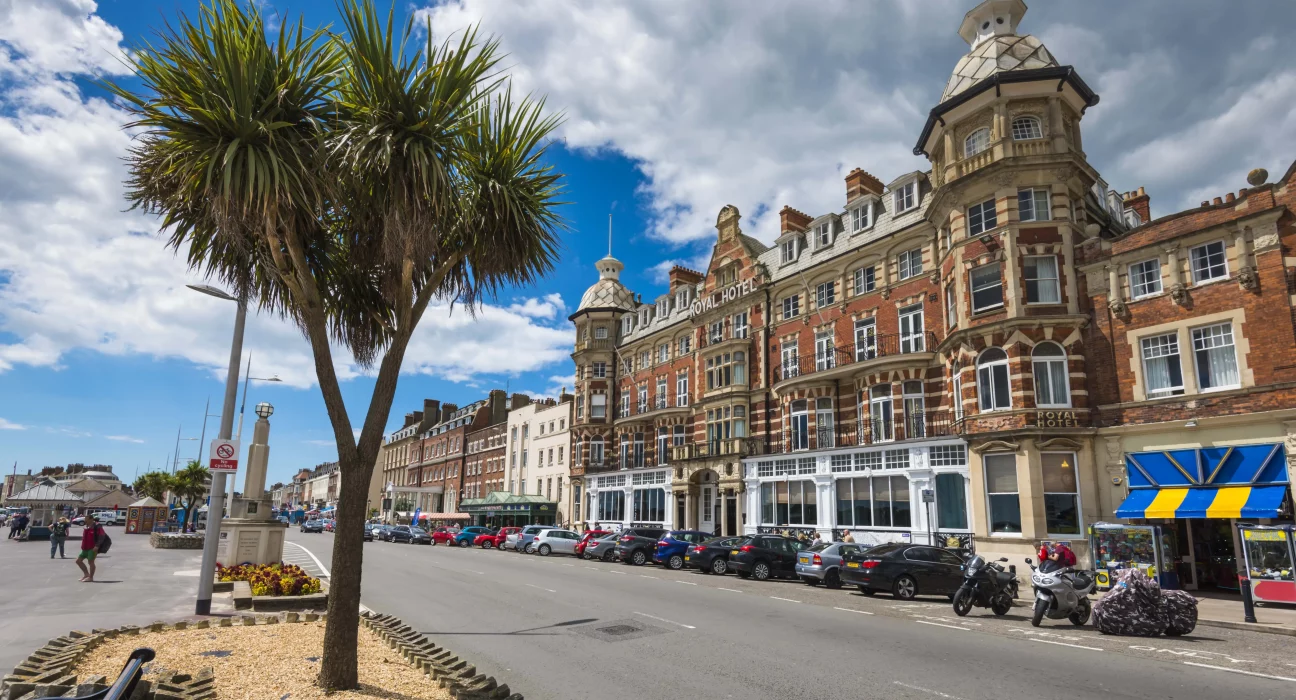
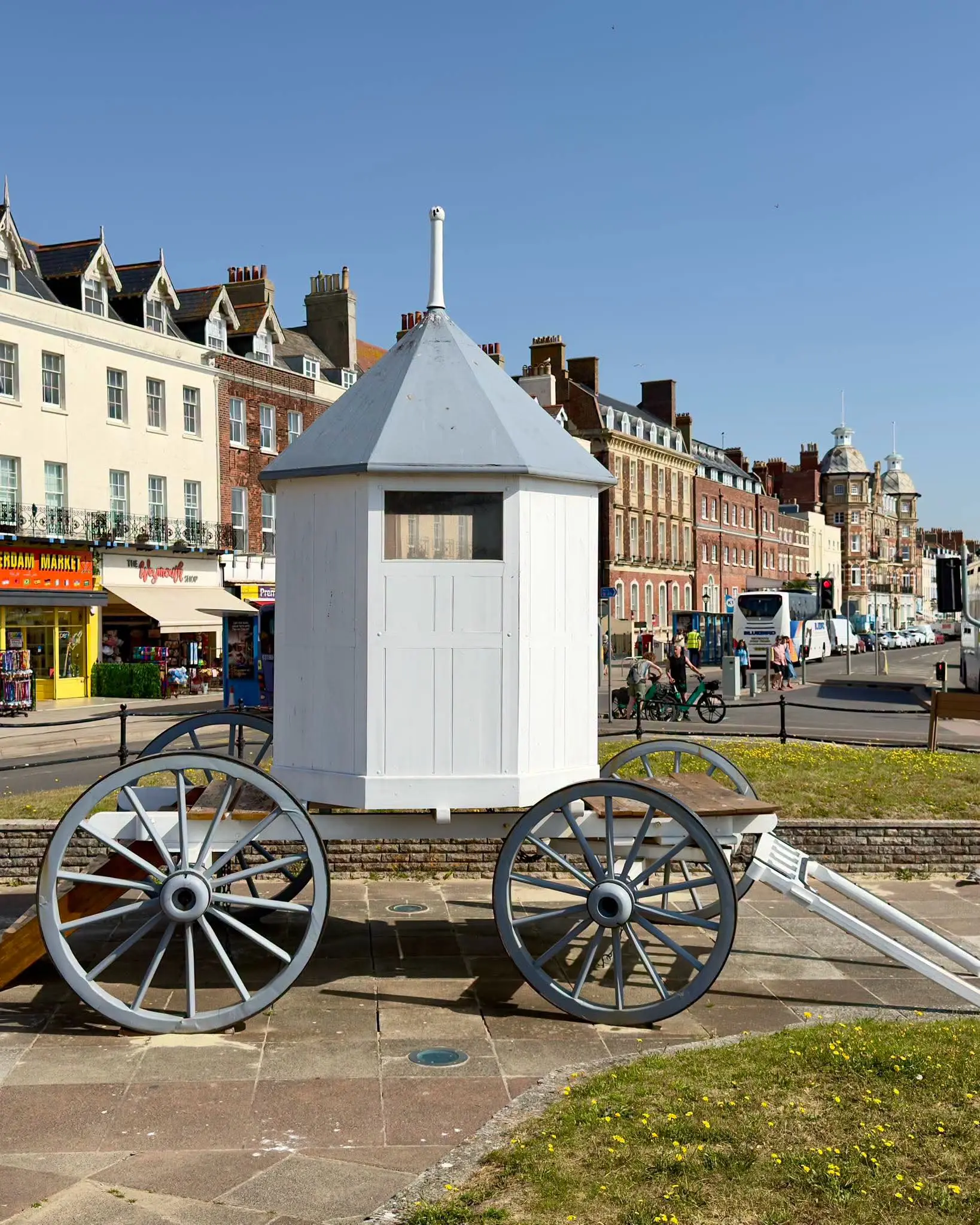
Visitors flocked to follow the monarch’s example. Elegant terraces appeared along the Esplanade. Hotels expanded. Bathing machines lined the sands. Weymouth became fashionable, refined and thoroughly Georgian.
Today, the statue of George III still presides over the Esplanade as a reminder that the town played a significant role in creating the tradition of the British seaside holiday.
Another link to Bath is the Pulteney family – who inspired both the Pulteney Buildings in Weymouth and Bath’s magnificent Pulteney Bridge. Lodmoor is well known as a nature reserve and recreational area.
Yet throughout its history, the marshland has served a huge variety of purposes. It has been used for ice skating during harsh winters, hosted football matches, accommodated horse racing and, perhaps most astonishingly, operated as an airfield.
Lodmoor Racecourse held its first races in 1821 and attracted crowds for decades before racing there stopped in the 19th century. The harbour too, has many stories to tell, of pirates who preyed on ships, cannonballs recovered from centuries of maritime tension.
Dawn said: “Bath has its Georgian splendour. Brighton has its Regency glamour. But Weymouth offers something more layered and more complete.
“It is a place where visitors can explore royal history in the morning, discover tales of rebellion and execution by lunchtime, walk among D-Day embarkation points in the afternoon and hear stories of pirates and smugglers before sunset.
“Few towns can claim such variety.”
She added: “Weymouth boasts over five miles of beach and is a perfect seaside destination. But it is far more than a seaside resort.
Weymouth is a living museum of British history with the heritage trail providing the ideal framework for exploration.”
This trail is a 1.4 miles (2.3km) accessible walking route along the beach and harbour. Along the way there are 16 memorable locations to stop at and three museums you might like to visit.
You can download the trail online or pick one up at one of the many outlets with leaflet stands around the town.
More stories about Weymouth
- Rewarding internships at Asda Weymouth welcome people aged 16-24 with SEN
- Writer tracks down heartbreaking stories behind 43 names on Weymouth war memorial
- That Riviera Touch: From high class to Risk List, here is the history of the once glorious art deco hotel in Weymouth