
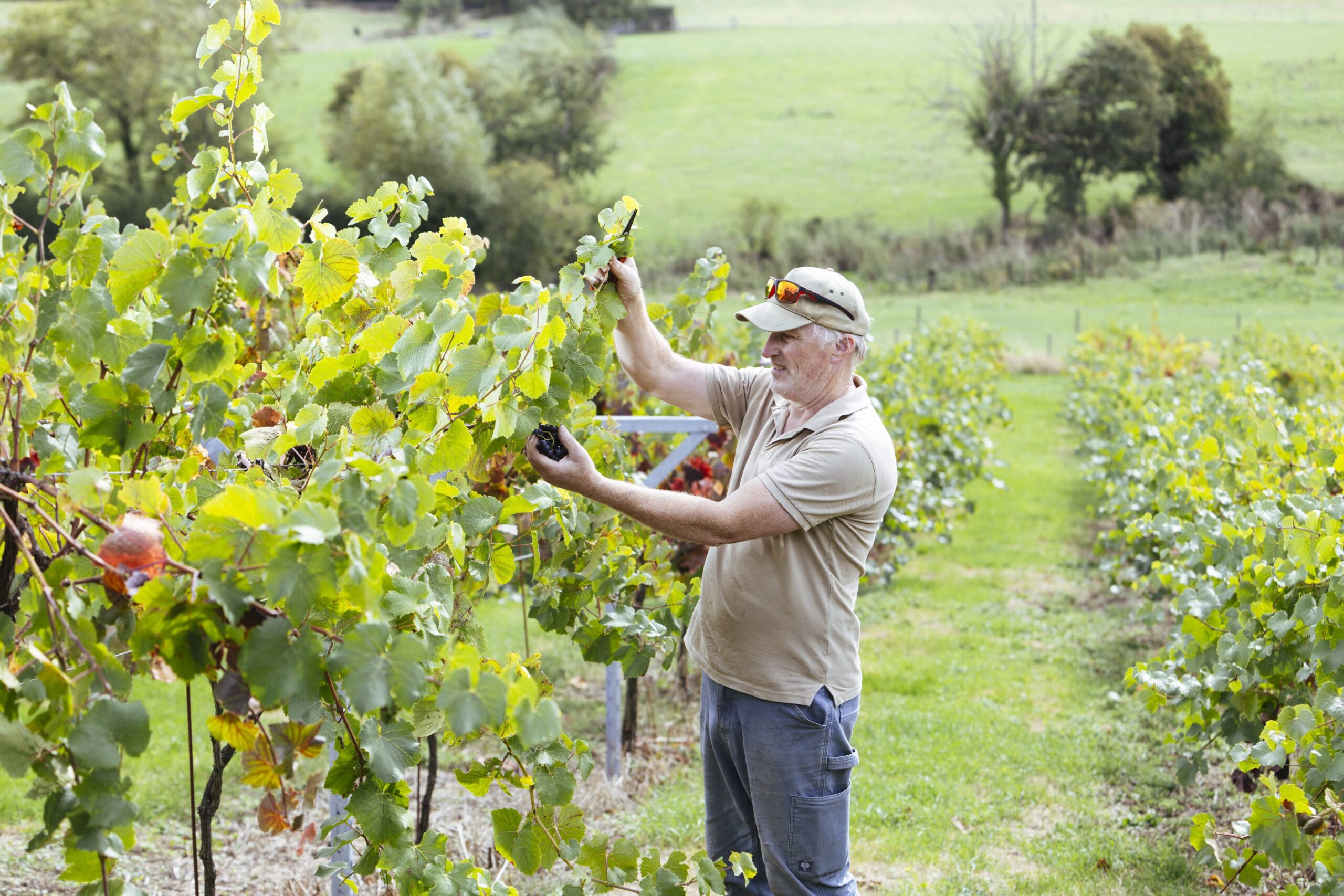
A Dorset vineyard first planted by a medieval bishop almost 900 years ago is reaping the benefits of warmer English summers.
The Sherborne Castle Estate was a pioneer of English wine-making in 1146 when Roger, Bishop of Salisbury, planted an extensive vineyard to take advantage of the Medieval Warm Period when temperatures in southern England were around 1C warmer than the 20th century average.
Now, as global climate change pushes up temperatures, the estate, owned by the Wingfield Digby family, is again growing top-quality grapes at the Wake Court Vineyard to make highly regarded still and sparkling white and rosé wines.
The Sherborne Castle vineyard was revived by John Wingfield Digby in 1981 and now grape varieties that grow well on the chalk and limestone soils are thriving in the hotter, drier summers.
This year’s harvest was completed in early September – well ahead of the usual time for grape picking, thanks to the exceptional weather.
Light, fresh rosé from the Sherborne Castle vineyard
Estates director Ben Jones said: “We are really proud of the wines we produce which are made for us, with our grapes, by the Furleigh Estate Winery, on the nearby Dorset Jurassic coast.
“Furleigh has helped us rejuvenate our wine production and we are particularly proud of our 2025 still rosé, a pale, light wine with a fresh clean finish, that was launched this summer and has received great feedback.”
In 2025, significant investment was made into the vineyard, with over a third of it being re-planted.
Viticulturalist Graham Fisher of Vinescapes, who has been working with the Sherborne Castle Estate since 2024, said: “The most recent plantings include Pinot Noir and a Merlot hybrid, both used to make the rosé wines. We’re making a real leap forward in the quality of the fruit.”
The Wingfield Digby family has earned another notable place in wine history thanks to the 17th century ancestor Sir Kenelm Digby, who developed the first glass bottles strong enough to hold sparkling wines without exploding.
As well as the range of wines, the Estate produces Sherborne Castle Brandy, distilled from its wine and aged in oak barrels. It has also made an Old Tom style gin, again distilled from estate wine, that combines the character of the wine with the flavour from selected botanicals.
The Sherborne Castle Estate combines its grape production with extensive regenerative farming operations including 30 tenanted farms growing cereals, maize for food and energy production, organic dairy farming and forestry. It also has a varied commercial and residential property holding.
Find out more online, or on 01935 813182, or from Sherborne Castle in person.